Naat Lyrics: A Historical and Spiritual Perspective
By: Huzaifa Saeed
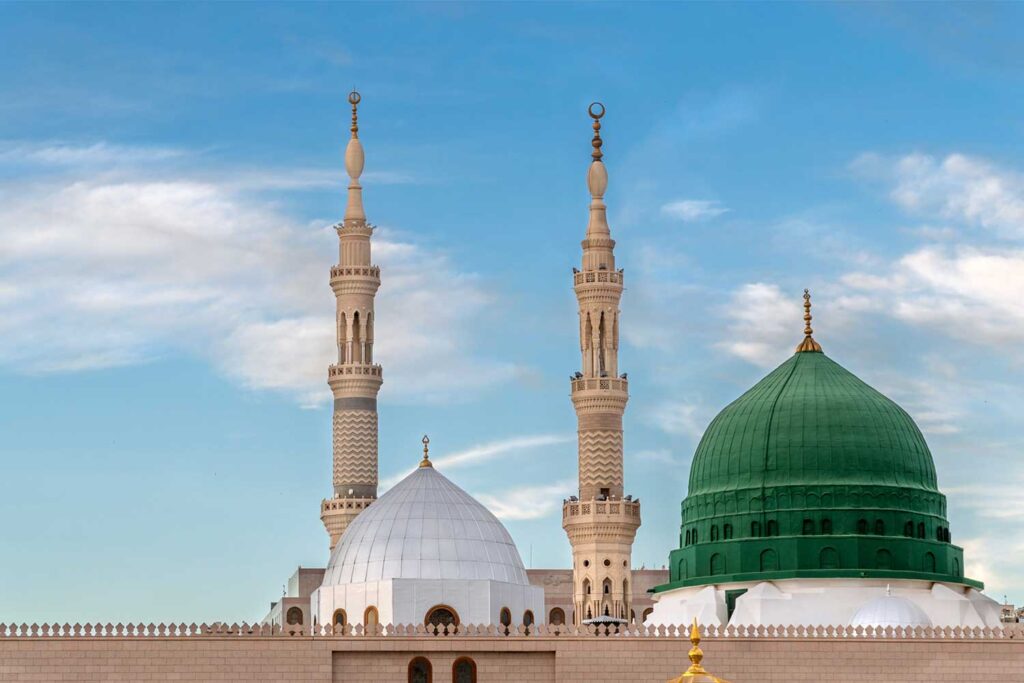
What is Naat
Naat is a form of poetry that praises and glorifies Prophet Muhammad (ﷺ). The word Naat originates from Arabic, meaning "praise" or "commendation." It is a vital part of Islamic literature and is widely recited in various languages, including Urdu. Naat lyrics in Urdu are especially popular, as they beautifully express love and admiration for the Prophet (ﷺ).
The Origin of Naat
The tradition of Naat began during the time of Prophet Muhammad (ﷺ). The first Naat lyrics were composed in Arabic and later spread to other languages. The Holy Quran itself praises the Prophet (ﷺ):
"And indeed, you (O Muhammad) are upon an exalted standard of character." (Surah Al-Qalam, 68:4)
This verse establishes the foundation of Naat as a form of admiration for the noble character of the Prophet (ﷺ).
Abu Talib – The First Naat Poet
Abu Talib, the uncle of Prophet Muhammad (ﷺ), was among the first to compose Naat lyrics. Though he did not accept Islam, he dedicated his poetry to praising and defending the Prophet (ﷺ). His poetry is one of the earliest examples of Naat.
Naat Lyrics in the Time of Prophet Muhammad(ﷺ)
During the lifetime of Prophet Muhammad (ﷺ), several companions composed Naat lyrics in his honor.
Hassān ibn Thābit (RA) – The Poet of the Prophet(ﷺ)
Hassān ibn Thābit (RA) is known as the official poet of the Prophet (ﷺ). He composed powerful Naat lyrics in Arabic to counter the attacks of Quraysh poets. The Prophet (ﷺ) himself encouraged him, saying: "Ridicule them (the disbelievers) in your poetry, for Jibrīl is with you."
Other Famous Naat Poets Among the Sahabah
Abdullah ibn Rawāhah (RA): Composed war-time Naat lyrics to boost the morale of Muslim fighters.
Abu Dujānah (RA): Recited Naat lyrics during battles to inspire courage.
Jābir ibn Samurah (RA): Described the beauty and noble character of the Prophet (ﷺ) in his poetry.
Naat Lyrics in the Early Islamic Period
The tradition of Naat continued in the era of the Tābiʿūn (followers of the Sahabah) and the Tabiʿ al-Tābiʿīn (followers of the Tābiʿūn).
Famous Naat Poets of the Early Islamic Era
Imam Hasan al-Basri (RA) (21-110 AH): His Naat lyrics focused on love for the Prophet (ﷺ).
Imam al-Shāfiʿī (RA) (150-204 AH): Wrote Naat lyrics emphasizing the Prophet’s (ﷺ) importance. His famous verse states:
"O family of the Prophet (ﷺ), loving you is a duty Imposed by Allah in the Qur’an."
The Rise of Naat Lyrics in the Abbasid and Andalusian Eras
During the Abbasid Caliphate and Islamic rule in Andalusia, Naat poetry gained immense popularity.
Imam al-Būsīrī (RA) – The Poet of Qasidah al-Burdah
Imam al-Būsīrī (RA) (1212-1296 CE) composed the world-famous Naat lyrics known as Qasidah al-Burdah. This naat is still recited globally in various languages.
"Muhammad (ﷺ) is the master of both worlds and all beings,
Of the Arabs and non-Arabs alike."
Naat Lyrics in Urdu and the Indian Subcontinent
With the spread of Islam in the Indian subcontinent, Naat lyrics in Urdu became highly popular.
Renowned Urdu and Persian Naat Poets
Amīr Khusro (RA) (1253-1325 CE): A Sufi poet who wrote Naat lyrics in Persian and Hindavi.
Mawlānā Jāmī (RA) (1414-1492 CE): His Naat lyrics glorified the Prophet’s (ﷺ) character and miracles.
"After Allah, you (O Prophet) are the greatest; This is the short conclusion of my words."
Shāh Abdul Azīz Muhaddith Dehlvi (1746-1824 CE): Spread the love of the Prophet (ﷺ) through his Naat lyrics.
Modern Naat Lyrics in Urdu (19th-21st Century)
The Urdu language became a powerful medium for Naat lyrics, influencing millions of Muslims.
Muhammad Ilyas Attar Qadri Rizvi
Hakim al-Ummah Hazrat Mufti Ahmad Yar Khan Naeemi
Hafiz Muhammad Abubakar Tabassum
Syed Sabih ul-Din Sabih Rahmani
Professor Muhammad Tahir Siddiqi
Syed Aal-e-Rasool Hasnain Mian Nazmi Qadri Barkati Noori Qasmi
Syed Shakir al-Qadri Chishti Nizami
Conclusion
Naat lyrics have played a crucial role in Islamic literature, expressing deep devotion to Prophet Muhammad (ﷺ). From the time of the Sahabah to the modern era, Naat lyrics Urdu and Arabic poetry have remained an essential part of Muslim culture. Whether recited in mosques, gatherings, or media, Naat lyrics continue to inspire love and admiration for the Prophet (ﷺ).